Engraved vs Printed Tags: Which Is Right for Your Application?
This article is for general informational purposes only. Standards and best practices may vary by industry and jurisdiction. Consult with qualified professionals for specific guidance on your application.
Understanding the performance differences between permanent engraving and surface printing
The marking method you choose for your industrial tags can be just as important as the material itself. Engraved and printed tags may look similar when new, but they perform very differently over time. This guide explains the key differences to help you select the right solution for your specific environment and requirements.
At a Glance: Engraved vs Printed
| Characteristic | Engraved | Printed |
|---|---|---|
| How It Works | Material removed to create recessed text | Ink/toner applied to surface |
| Durability | Permanent—cannot wear off | Surface coating—can fade or peel |
| Typical Lifespan | 20+ years (typical) | 2-10 years (varies) (environment dependent) |
| Chemical Resistance | Excellent—marking is in the material | Variable—depends on ink type |
| Outdoor Performance | Excellent | Poor to Moderate |
| Cost | Higher initial cost | Lower initial cost |
| Turnaround | Standard production time | Often faster for small runs |
| Detail Quality | Excellent for text, limited for graphics | Excellent for graphics and color |
Understanding Engraved Tags
How Engraving Works
Engraving permanently removes material from the tag surface to create recessed characters and graphics. Modern industrial engraving uses two primary methods:
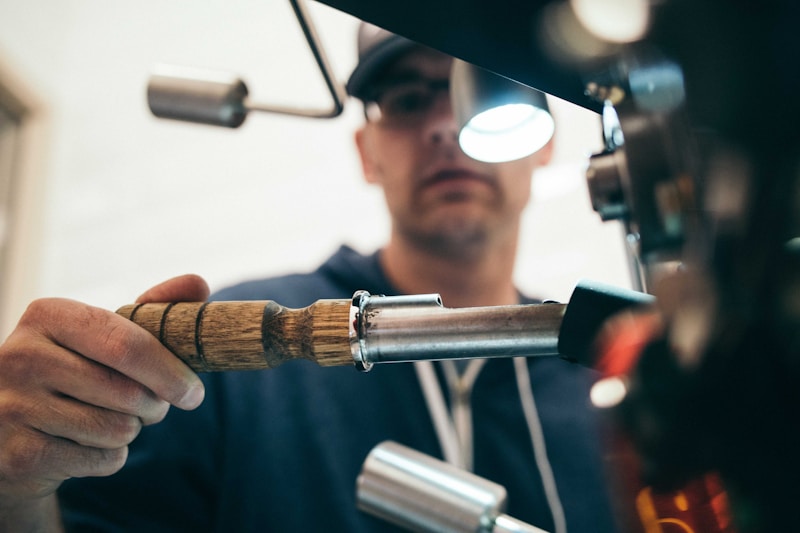
Rotary Engraving: A spinning carbide or diamond-tipped cutter physically cuts into the material. This method produces the deepest cuts (up to 0.030" on metals) and works well on brass, aluminum, stainless steel, and rigid plastics.
Laser Engraving: A focused laser beam vaporizes or ablates surface material. Laser engraving offers finer detail and faster production for complex designs, with typical depths of 0.001" to 0.010" depending on material and power.
Because the text is physically carved into the material, it cannot wear off, fade, or peel. The only way to remove engraved text is to physically grind down the tag surface—making engraving effectively permanent.
Engraving Performance Ratings
| Factor | Rating | Notes |
|---|---|---|
| Longevity | Excellent | Text remains legible for entire life of tag—often decades |
| Chemical Resistance | Excellent | Solvents, acids, and cleaning agents cannot affect recessed text |
| Abrasion Resistance | Excellent | Rubbing, handling, and contact wear cannot remove engraved characters |
| UV Resistance | Excellent | Sunlight exposure has zero effect on engraved text legibility |
| Color Options | Limited | Color fill available but adds cost. Natural contrast often preferred |
| Graphics/Logos | Good | Simple logos work well; complex multi-color graphics less practical |
Understanding Printed Tags
How Printing Works
Printed tags apply ink, toner, or dye to the tag surface using various technologies:
Thermal Transfer: Heat transfers pigmented ribbon material onto the tag. Common for plastic tags and offers good chemical resistance when using resin-based ribbons.
Screen Printing: Ink is pushed through a mesh screen onto the surface. Produces thick, durable ink layers suitable for simple graphics and text.
UV Inkjet: Ink is sprayed and cured with UV light. Allows full-color printing and photographic images.
Laser Marking on Coated Tags: Laser removes a surface coating to expose contrasting underlayer. Provides some durability advantages over pure ink-based methods.
All printing methods apply marking on top of the tag surface rather than into it. This fundamental difference determines their vulnerability to environmental factors.
Printing Performance Ratings
| Factor | Rating | Notes |
|---|---|---|
| Longevity | Moderate | 2-10 years (varies) typical; highly dependent on environment and ink type |
| Chemical Resistance | Variable | Ranges from poor (wax ribbons) to good (resin ribbons, UV inks) |
| Abrasion Resistance | Limited | Repeated contact can wear through surface printing over time |
| UV Resistance | Poor-Fair | Most inks fade with UV exposure. Special outdoor inks available |
| Color Options | Excellent | Full CMYK color, photographs, and complex graphics possible |
| Graphics/Logos | Excellent | Ideal for detailed logos, barcodes, and photographic images |
Real-World Performance Comparison
Chemical Exposure
In environments with solvents, fuels, cleaning chemicals, or process fluids, the difference between engraved and printed tags becomes stark.
Warning: Standard printed tags can become illegible within months when exposed to petroleum products, industrial solvents, or aggressive cleaning chemicals. We've seen "brand new" printed tags become unreadable after a single wipe with brake cleaner or acetone.
Engraved tags are immune to chemical attack—the text is literally carved into the metal. You can scrub an engraved brass tag with any solvent and it will remain perfectly legible.
Outdoor and UV Exposure
Ultraviolet radiation from sunlight breaks down the chemical bonds in most printing inks, causing fading and eventual illegibility. This process accelerates in southern latitudes and at higher elevations.
A printed tag installed outdoors in Arizona might become difficult to read within 2-3 years. The same tag in Seattle might last 5-7 years. An engraved tag will remain perfectly legible in either location for 30+ years.
High-Touch Areas
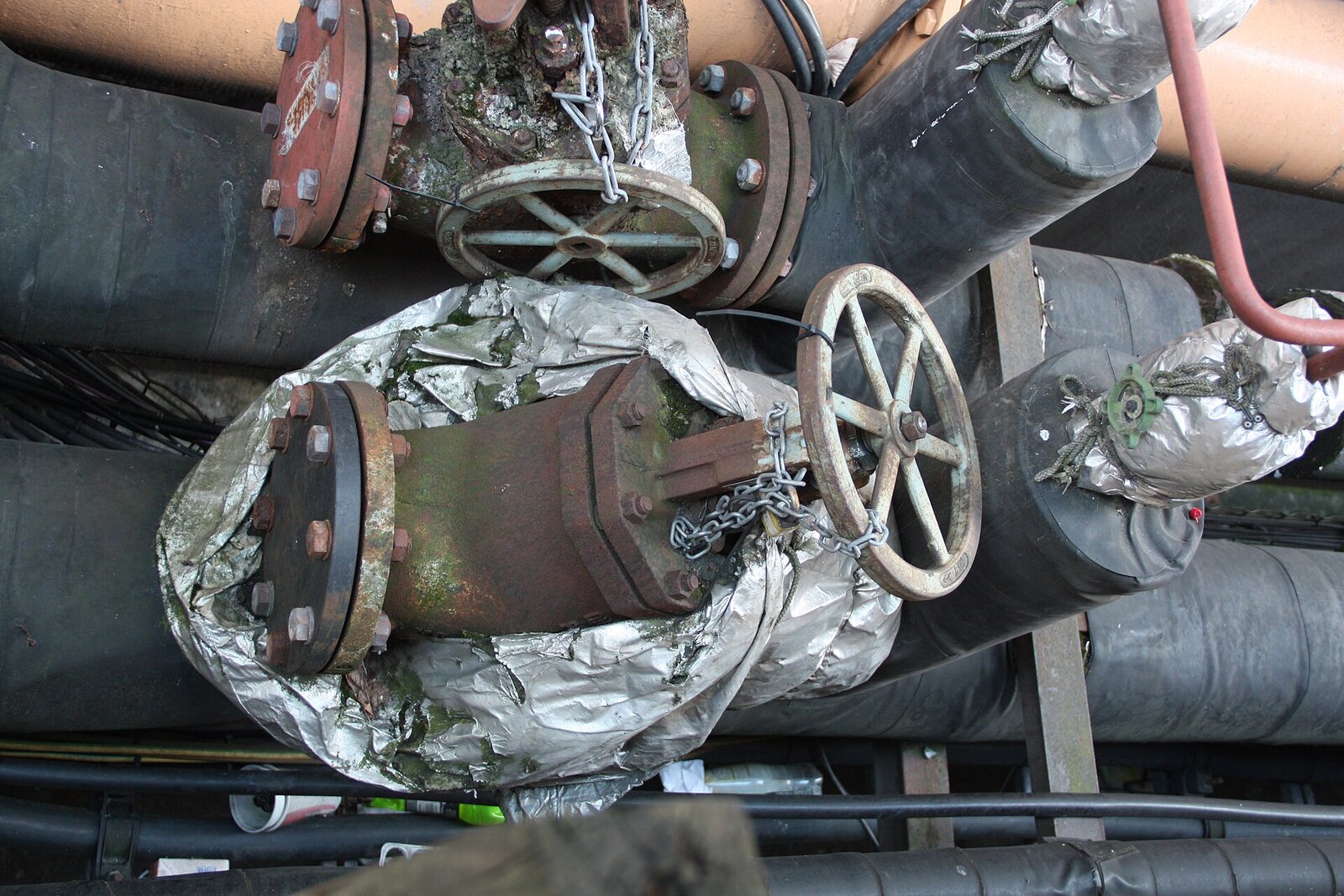
Tags on frequently-operated valves experience repeated contact from operators' hands, often while wearing work gloves. This abrasion steadily wears away printed text while having no effect on engraved characters.
Washdown Environments
Food processing, pharmaceutical, and other facilities requiring regular washdown present particular challenges for printed tags. High-pressure water, steam, and aggressive sanitizing chemicals can quickly degrade printed markings.
When to Choose Engraved Tags
- Outdoor Installation - Any tag exposed to sunlight, weather, or temperature extremes
- Chemical Processing - Refineries, chemical plants, and facilities with solvent exposure
- Long Service Life Required - When tags need to last 10+ years without replacement
- Safety-Critical Identification - Valves controlling fire protection, emergency shutoffs, safety reliefs
- Washdown/Sanitary Environments - Food, beverage, and pharmaceutical facilities
When Printed Tags Make Sense
- Temporary or Changing Systems - Laboratory setups, pilot plants, or systems under active development
- Indoor Climate-Controlled Spaces - Clean, dry indoor environments with minimal chemical exposure
- Color-Coding Requirements - When specific colors are required for code compliance
- Barcodes and QR Codes - Machine-readable codes generally require printing
Cost Considerations
While engraved tags cost more upfront, the total cost of ownership often favors engraving:
| Cost Factor | Engraved | Printed |
|---|---|---|
| Initial Cost | Higher ($3-12/tag) | Lower ($1-5/tag) |
| Expected Replacements (20 years) | 0 | 2-4 cycles |
| Replacement Labor | None | Significant over time |
| Downtime for Replacement | None | Potential safety concerns |
| Total 20-Year Cost | Initial cost only | 3-5× initial cost |
The Bottom Line
For permanent installations in industrial environments, engraved tags are almost always the better investment. The higher upfront cost is quickly offset by decades of maintenance-free service. Reserve printed tags for temporary applications, controlled indoor environments, or situations where full-color graphics are essential.
Our Engraving Process
All our metal tags are precision-engraved using industrial rotary or laser equipment. Standard features include:
- Deep engraving: Characters cut deep enough to remain legible even with surface wear
- Paint fill option: Black or white enamel fill for enhanced visibility (included at no extra charge)
- Clean, professional appearance: Deburred edges and polished surfaces
- 1/16" thick material: Substantial tags that won't bend or flex
- Custom layouts: Your text, your specifications, professionally executed
Ready for Tags That Last?
You've seen the difference—engraved tags deliver decades of reliable identification while printed tags fade and fail. TagBuilder specializes in precision laser-engraved tags built to outlast your equipment.
Our custom tag builder delivers:
- Deep laser engraving that can't wear off
- Optional paint fill for enhanced visibility
- Durable brass and stainless steel materials
- Clean, professional appearance
- Real-time preview before you order
Design your engraved tags now →
Replacing faded printed tags? We can match your existing format and numbering system. Just send us a photo of your current tags.